
E-Learning Is the Future because modern learners need flexibility, digital access, and skills that match a fast-changing world. As technology transforms industries, digital education has become one of the most powerful ways to learn, grow, and stay competitive in a global economy.
Traditional classrooms once limited learning based on location and strict schedules, but digital learning removes these barriers. Anyone with an internet connection can now learn from expert instructors, enrol in global programs, and gain knowledge on-demand.
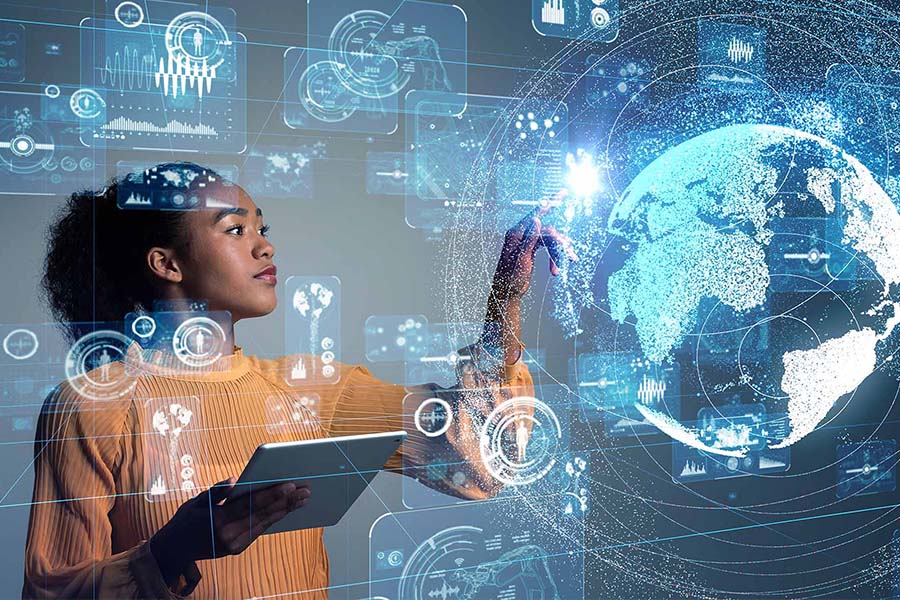
Digital learning supports lifelong learning by giving people access to skills for the future at any time. As careers evolve and new job roles emerge, learning continuously is essential for long-term success.
Professionals, students, and job-seekers now turn to digital platforms because they provide modern content, industry-relevant skills, and flexible learning paths. With interactive learning tools and online collaboration, education has shifted from memorisation to hands-on skill-building.
Why E-Learning Is the Future of global education
Online learning expands education beyond physical borders, giving learners the ability to study from any part of the world. This creates equal opportunities for individuals who previously lacked access to quality learning institutions.
Digital learning also fits the lifestyle of modern students and working professionals who need flexible study times. Instead of sacrificing work or family commitments, people can now learn at their own pace and convenience.
Platforms offer programs covering technology, business, healthcare, language learning, and creative skills. Learners also benefit from global experts and university-backed programs such as coursera online learning, helping them bridge knowledge gaps without relocating.
Interactive classes, live sessions, peer discussions, and recorded lectures create a balanced learning system. Students gain better control of how they learn while still connecting with instructors and peers.
E-Learning Is the Future for inclusion and equal access
Digital education reduces barriers related to geography, cost, and mobility. This makes learning more inclusive for people of all backgrounds and abilities.
Individuals with disabilities benefit from captions, audio tools, screen readers, and adapted interfaces that make studying more accessible. Digital classrooms also create a comfortable learning environment for students who feel anxious or unsupported in traditional settings.
Short courses, modular lessons, and certificates make it easier to learn in manageable steps. Study formats are designed to support different learning speeds and styles.
E-Learning Is the Future for underserved communities because it offers affordable learning opportunities. People everywhere can now gain skills once reserved for privileged groups.
E-Learning Is the Future for technology-driven learning
Digital innovation brings AI tutors, simulations, and virtual practice labs into education. These tools allow students to apply knowledge in real-world scenarios rather than just reading theory.
Gamification, quizzes, and interactive modules make learning engaging and memorable. Students retain more information when they participate instead of passively consuming content.
Companies also invest in digital training to keep employees updated on new systems and workflows. This growth increases demand for elearning development services that build custom learning programs.
Performance analytics, progress tracking, and personalised feedback are now common in online learning platforms. These tools help learners measure improvement and receive guidance based on their individual pace and needs.
Personalisation and self-paced learning
Digital learning allows learners to personalise their study path based on strengths, interests, and schedule. This flexibility helps reduce stress and encourages long-term learning habits.
Adaptive learning technology adjusts lessons depending on how well the learner is performing. This ensures steady progress without feeling rushed or discouraged.
Students can rewatch lessons, access learning libraries, and pause content to fully understand difficult concepts. This supports effective study habits and deeper skill comprehension.
E-Learning is the Future when it comes to personalised learning experiences. Individuals control how, when, and what they learn to achieve their career goals.
Empowering careers and lifelong learning
Digital learning gives people the ability to keep improving their skills throughout their careers. As industries evolve, workers can quickly re-skill and upskill without leaving their jobs.
Short courses, nano-degrees, and certifications help learners gain targeted expertise. Many employers now value digital certificates gained from recognised elearning services and platforms.
Remote and hybrid work models require digital fluency, communication tools, and online collaboration skills. Online learning prepares workers to adapt and excel in modern workplaces.
Career switches are now possible for adults who once felt stuck in one path. Digital education has made learning accessible to millions who want to reinvent their career journey.
Preparing future-ready education systems
Schools, universities, and organisations are adopting blended learning models that combine classroom instruction with digital tools. This strengthens traditional education and prepares students for digital work environments.
Governments and private sectors collaborate to expand digital learning infrastructure and opportunities. This investment builds a skilled, future-ready workforce.
Employers increasingly recognise online certificates, portfolios, and skill-based assessments. Education is shifting toward performance proof rather than traditional degrees alone.
Learning providers now offer specialised programs, bootcamps, and customised learning experiences on an elearning platform. Digital tools support practical learning while helping learners track progress and remain motivated.
E-Learning Is the Future because it empowers people to learn on demand, adapt to change, and compete in a technology-driven world. It transforms education into a lifelong journey instead of a one-time stage in life.
Educodes Upcoming Courses
View all of our upcoming courses below, also register for an account with us to be the first to know when our courses are releasing.
Why is e-learning so useful and important?
E-learning is useful and important because it gives people the flexibility to study anytime, anywhere, and at their own pace while accessing high-quality education and global resources. It removes barriers such as travel, cost, and time limits, making learning more accessible and affordable for students, professionals, and lifelong learners. With interactive tools, real-world simulations, and personalised learning paths, e-learning supports deeper understanding and skill development. As industries evolve, digital learning helps individuals stay updated, gain in-demand skills, and remain competitive in a fast-changing world.