

How to Build Skills with confidence starts by understanding learning is a process, not a race. Anyone can grow from a beginner to a capable learner when they commit to steady practice and realistic goals.
The journey to becoming skilled begins with curiosity, patience, and the willingness to try even when something feels challenging. When you break learning into small steps, you build a strong foundation without feeling overwhelmed.
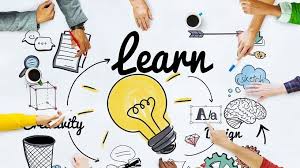
Growth also becomes easier when you explore different study methods and tools at your own pace. Learning is not just about gaining knowledge but understanding how to develop new skills through real-life application and continuous improvement.
As you progress, celebrate every milestone no matter how small, because improvement often happens gradually. Over time, these small achievements add up and make you more capable, confident, and ready for advanced challenges.
How to Build Skills with clear goals and direction
Setting clear goals gives you a roadmap and motivation to keep moving forward. People learn faster when they know exactly what they want to achieve and why it matters.
One effective way on how to build skills is to break your main objective into smaller tasks and practice each consistently. This structure also supports how to develop new skills by giving each stage of learning a clear purpose and direction.
Define what success looks like for each stage, whether it is mastering a specific technique, completing a project, or understanding a concept. When your goals are specific, your learning becomes focused instead of scattered.
Write down your targets so you stay accountable and motivated. Reviewing your goals weekly helps you stay on track and adjust when needed.
Finally, commit to a regular learning routine even if it is only a few minutes a day. Consistency builds momentum and turns learning into a lasting habit.
Practising consistently to master abilities
Practising regularly is one of the most powerful ways to grow from beginner to confident learner. Progress comes from repetition and refining your approach over time.
How to build skills? choose one skill at a time and focus on mastering the basics before moving to advanced techniques. This prevents frustration and allows you to build a strong understanding step by step.
Practice sessions should be balanced between learning new information and applying what you already know. Combining study and action improves memory and confidence.
Another effective strategy for how to develop new skills is scheduling short practice sessions daily rather than long, exhausting ones occasionally. Frequent practice strengthens your learning muscles and keeps new knowledge fresh.
Whenever you feel stuck, explore new learning formats like tutorials, workshops, or hands-on practice. Changing methods can help you break through plateaus and regain motivation.
How to build skills through real-world application
Applying knowledge in real situations speeds up growth and makes learning meaningful. Real practice teaches lessons that books or videos alone cannot provide.
Work on small projects that let you test your skills in real time, even if they seem simple at first. This kind of real-world activity makes it easier to build skills through experience and problem-solving.
Seek opportunities to volunteer, join challenges, or help friends with relevant tasks. The more you apply what you learn, the more natural it becomes.
Do not wait until you feel “ready,” because confidence often comes from action, not preparation. Real practice builds resilience and teaches you how to navigate mistakes.
Keep records of your projects and what you learned from each experience. Reviewing your progress reminds you how far you have come and motivates future effort.
Staying motivated and overcoming challenges
Motivation can fluctuate, so having systems in place helps you stay committed. Build routines that protect your study time and remind you why your goals matter.
When things get tough, remember that persistence is often the key to building skills successfully. Every challenge you overcome strengthens your ability and your mindset.
If you feel stuck, take a short break or try a new approach instead of quitting. Sometimes stepping away gives you the mental clarity to continue with fresh focus.
Surround yourself with encouraging people or communities where members support each other’s progress. Being around motivated learners boosts your energy and confidence.
Celebrate small wins to stay positive and driven. Rewarding yourself for effort keeps your learning journey enjoyable and rewarding.
How to Build Skills for long-term growth and confidence
Long-term growth requires patience, discipline, and consistent effort, even when results are not immediate. Focus on progress, not perfection, and celebrate every improvement.
Adopt a mindset that learning never stops, because knowledge evolves and new techniques appear all the time. Staying curious keeps your skills relevant and your mind sharp.
Avoid comparing your progress to others because everyone learns differently. Instead, measure success by your personal development and consistency.
Explore different learning resources such as online courses, books, communities, and mentors. A variety of inputs helps you learn faster and see challenges from different perspectives.
Finally, revisit your goals regularly to stay aligned with your vision. Periodic reflection helps you adjust your plan and stay committed to lifelong learning.
Evaluating progress and planning next steps
Reviewing your progress helps you understand what is working and what needs improvement. Reflection makes you more strategic about your learning journey.
Use journals, digital planners, or apps to track your activities, achievements, and challenges. These records reveal patterns and milestones.
Create new learning goals after each milestone so you always have something meaningful to pursue. This keeps your growth consistent and aligned with your future ambitions.
Over time, learning becomes more intuitive and enjoyable as you build confidence in your abilities. With persistence and curiosity, you will continue to grow from beginner to capable, confident learner.
Educodes Upcoming Courses
View all of our upcoming courses below, also register for an account with us to be the first to know when our courses are releasing.
How to start learning a skill?
You can start learning a skill by breaking it into small, manageable steps, choosing beginner-friendly learning resources, and practising consistently. Begin with free tutorials, online guides, or intro courses to build a foundation, then set clear goals and practise daily to reinforce what you learn. Focus on hands-on tasks instead of only theory, take notes, and track your progress to stay motivated. Most importantly, stay patient, embrace mistakes, and keep improving through repetition and real-world application.